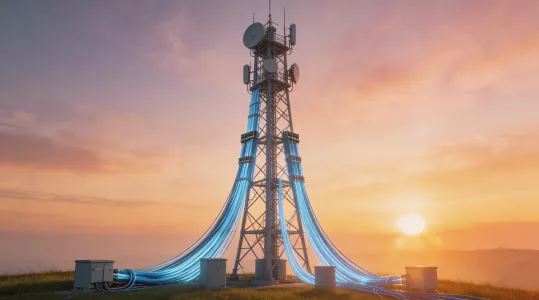
Telecom Carriers
Fiber connectors and cable assemblies meeting Telcordia GR-326 and IEC 61300 specifications for OSP, central office, and FTTx deployments. Our components support GPON, XGS-PON, and next-generation 25G-PON architectures with insertion loss ≤ 0.15 dB.
- SC/APC and LC/APC connectors for PON splitter networks
- Hardened outdoor connectors (IP68) for aerial and underground plant
- Pre-terminated fiber assemblies reducing field installation time by 60%

Data Centers
High-density MPO/MTP connectors and LC duplex assemblies supporting 100G, 400G, and 800G structured cabling systems. Optimized for top-of-rack, leaf-spine, and spine-to-spine interconnects in hyperscale and enterprise environments.
- 12/24-fiber MPO trunk cables with low-loss polarity management
- OM4/OM5 multi-mode and OS2 single-mode solutions
- Pre-terminated cassettes for rapid provisioning
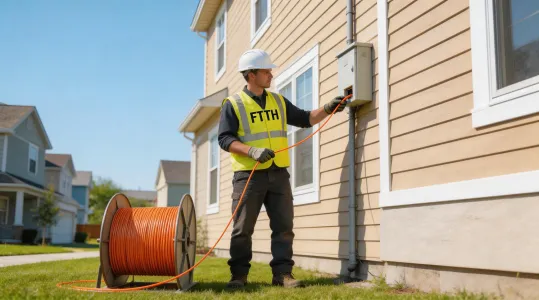
FTTH Deployment
Field-installable connectors, pre-connectorized drop cables, and distribution accessories designed for fast, reliable fiber-to-the-home rollouts at scale.
- Quick-install SC/APC field connectors (under 2 minutes per termination)
- Pre-terminated indoor/outdoor drop cables
- Wall-mount and pedestal fiber distribution hubs
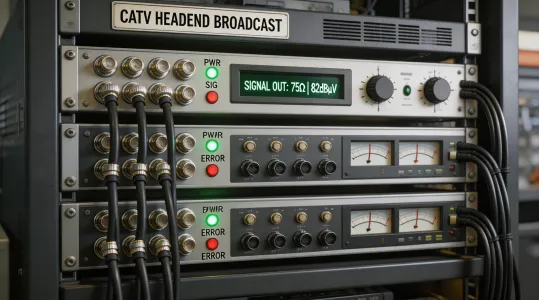
CATV Networks
Coaxial and hybrid fiber-coax (HFC) connectors engineered for cable television headend, distribution, and subscriber-premise equipment supporting DOCSIS 3.1 and 4.0.
- 75Ω F-type and BNC connectors with <70 dB return loss
- Hardline coaxial interfaces for trunk and distribution plant
- Fiber node connectors for HFC network upgrades
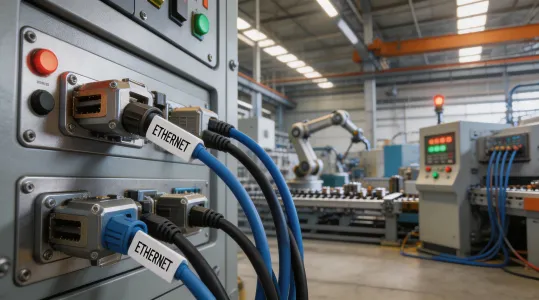
Industrial Automation
Ruggedized connectors rated IP67/IP68 for factory floor Ethernet, PROFINET, EtherCAT, and industrial IoT networks operating in harsh environments.
- M12 and M8 circular connectors for field devices
- DIN-rail terminal blocks rated 600V/30A
- Shielded RJ45 connectors for industrial Ethernet
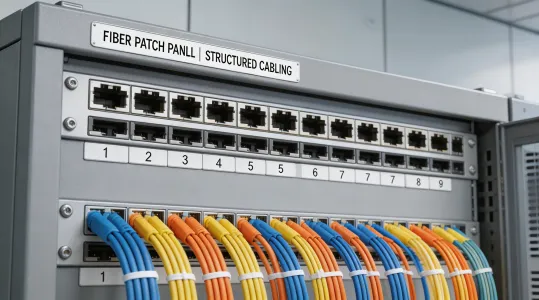
Building Infrastructure
Structured cabling connectors and patch panels for intelligent building management systems, DAS (distributed antenna systems), and enterprise LAN deployments.
- Cat6A and Cat6 keystone jacks and patch cords
- Fiber patch panels for building backbone
- In-building wireless connector solutions for 4G/5G DAS